
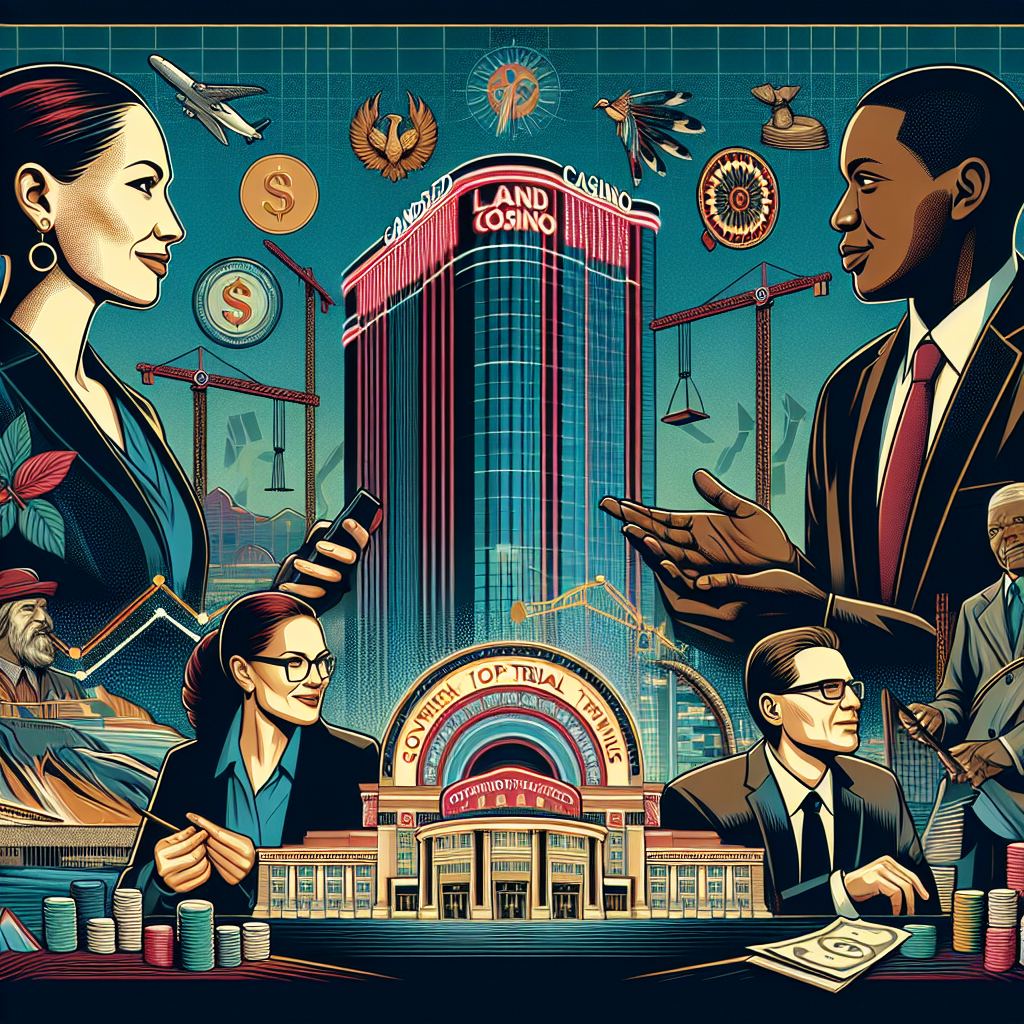

New York’s landmark decision to greenlight three Las Vegas-style resorts, the near-federal recognition of the Lumbee tribe in North Carolina and a wave of large-scale projects and regulatory shifts are converging to reshape the U.S. land-based casino landscape as 2025 closes.
On December 15, 2025, New York State regulators approved three major downstate resort casinos – proposals that promise billions in development and thousands of jobs while stirring fresh community opposition and regulatory scrutiny. The winning bids place new, large-scale gaming complexes at Citi Field in Queens, Ferry Point in the Bronx and Aqueduct near JFK Airport, and mark one of the most consequential expansions of land-based gambling in a major U.S. city in decades. The Associated Press reported the approvals, noting the projects include an $8.1 billion Hard Rock resort, a $4 billion Bally’s development and a multi-billion-dollar expansion of Resorts World. (AP News)
Big projects, big questions
Developers and state officials emphasize anticipated benefits: billions in private investment, tens of thousands of construction and long-term jobs, and expanded tax revenue earmarked for transit and education. Governor Kathy Hochul framed the approvals as economic catalysts for downstate neighborhoods outside Manhattan. Yet local activists and neighborhood groups have voiced sustained concerns about traffic, community displacement, and the social impacts of mass-market gambling — concerns that accompanied every major milestone of the approval process in late 2025.
Across the country, tribal and private developers alike are advancing large-scale builds. In California, new tribal and commercial expansions continue to add gaming floors and hospitality amenities, while Hard Rock’s Tejon project in Kern County moved toward completion phases in late 2025 after a multi-year build. Overseas, integrated-resort construction such as MGM Osaka — which broke ground in April 2025 for a 2030 opening — underscores how the resort-casino model remains a global investment theme that U.S. operators are watching closely.
Tribal recognition and state-level shifts
A separate but related development landed in Congress in mid-December 2025: language in the federal defense authorization bill advanced near-term federal recognition for the Lumbee tribe of southeastern North Carolina. That recognition – included in the omnibus defense bill passed in December 2025 – paves the way for trust land in Robeson County and would permit tribal gaming development under federal law once reservation processes are complete. Analysts say this could create the first major tribal gaming hub in eastern North Carolina and add a new competitor to regional markets that have for years been dominated by expansion in the Southeast. The move reignites familiar legal and political debates about tribal sovereignty, state oversight and competition.
Meanwhile, states continue to tinker with tax and regulatory frameworks around land-based and adjacent betting products. Several states enacted higher taxes on sports betting and iGaming during 2025 to pad budgets, complicating operator economics even as physical-resort development accelerates. Operators and analysts warn that rising effective tax burdens could temper projected returns from new resorts unless paired with incentives or new revenue channels such as expanded non-gaming entertainment and convention business.
What investors, communities and regulators are watching
Key items to watch in the months ahead:
Licensing and construction timelines: New York’s projects carry multi-year timetables; whether developers meet subsidy, labor, environmental and community-commitment milestones will determine opening schedules and political support.
Federal and state legal reviews: The Lumbee recognition process and any subsequent trust-land designations will face legal and administrative steps that influence the speed and scope of casino development in North Carolina.
Tax policy and revenue models: As states raise taxes on betting, operators will assess whether land-based resorts can sustain margins via non-gaming revenue – hotels, concerts, retail and conventions – that many new projects increasingly prioritize.
Community response and mitigation: Local advocacy groups are poised to press for stronger social-responsibility programs, treatment funding and community benefits agreements tied to major casino approvals.
The rapid confluence of approvals, tribal recognition prospects and shifting tax rules marks a pivotal moment for land-based casinos in the United States. For communities, the question remains whether the economic promises will outweigh social costs; for investors, whether the resort model can adapt to tighter tax regimes; and for regulators, how to balance growth with safeguards. Expect steady headlines in 2026 as construction milestones, licensing conditions and legal challenges progress and as operators pivot to emphasize entertainment, hospitality and technology alongside gaming.